
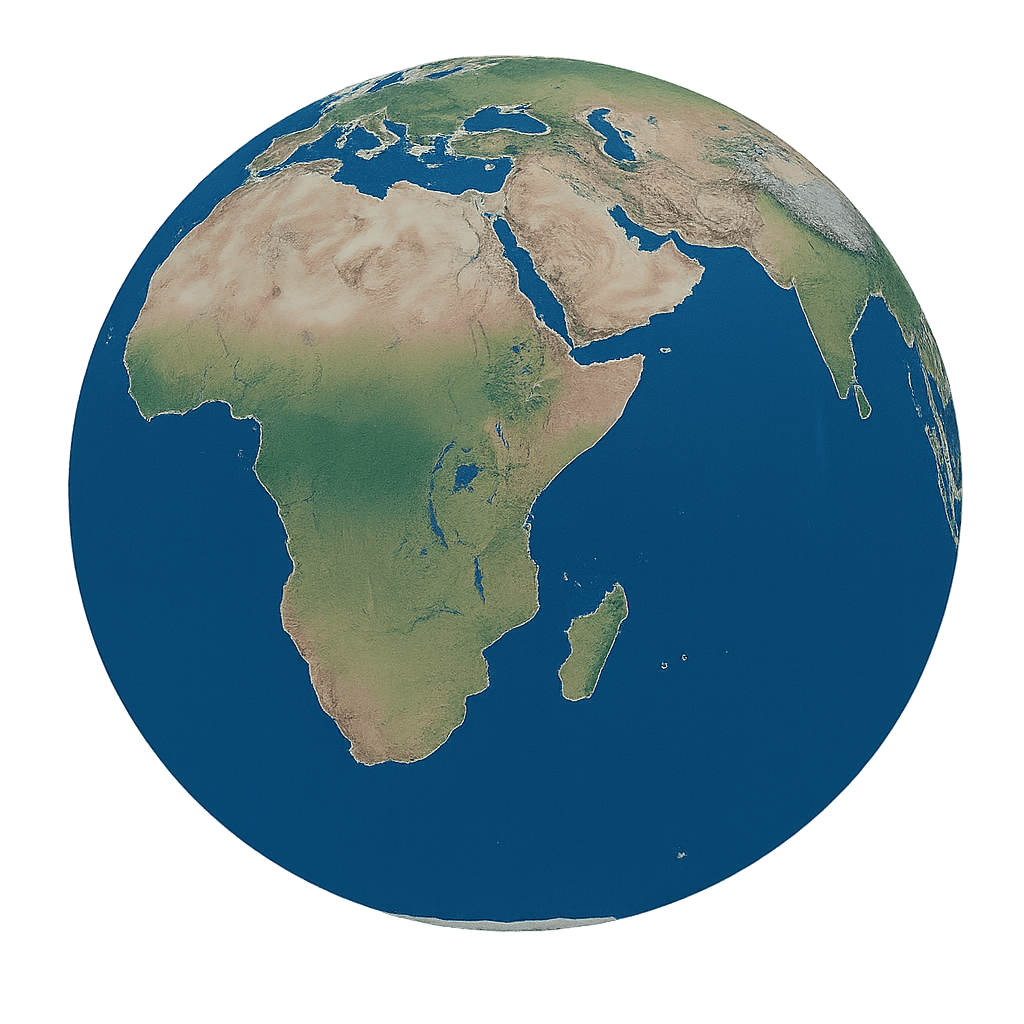
Ayurvedic medicine market seen reaching $28.4 billion by 2033
Persistence Market Research says the global Ayurvedic medicine market will grow from $16.1 billion in 2026 to $28.4 billion by 2033 as demand rises for natural, herbal and preventive healthcare. Asia-Pacific leads the market, while e-commerce and digital health channels are widening access in North America and Europe. Why it matters: - The Ayurvedic medicine market is expanding as consumers shift toward natural and plant-based healthcare. - Demand is tied to preventive wellness, immunity support and interest in alternatives to synthetic drugs. - The market’s growth signals broader adoption of herbal products across both wellness and healthcare channels. What happened: - Persistence Market Research valued the global Ayurvedic medicine market at $16.1 billion in 2026. - The firm projects the market will reach $28.4 billion by 2033. - That forecast implies an 8.4% compound annual growth rate from 2026 to 2033. - The report highlights herbal supplements as the leading product segment. - Asia-Pacific remains the largest regional market. The details: - Herbal supplements lead because consumers want easy-to-use immunity and daily wellness products. - The market also includes classical Ayurvedic medicines and personal care products. - End users include hospitals, Ayurvedic clinics, wellness centers and homecare users. - Homecare demand is rising as consumers add self-care and preventive routines. - Distribution runs through pharmacies, online retail platforms and specialty Ayurvedic stores. - Online channels are gaining share because they offer convenience and wider product availability. - Asia-Pacific leads because of Ayurveda’s long history, a large consumer base and supportive government initiatives. - India plays a central role in production, consumption and exports. - North America and Europe are high-growth regions as awareness of herbal supplements and natural wellness products rises. - E-commerce and digital health platforms are helping Ayurvedic products reach more buyers globally. Between the lines: - The category is moving from a traditional medicine niche toward a broader consumer wellness market. - Growth is strongest where prevention, immunity and organic products already influence buying behavior. - The report also points to structural constraints, including inconsistent raw materials, uneven clinical validation and regulatory hurdles. - Those limits help explain why the market is growing quickly but has not yet reached full mainstream acceptance in every region. What’s next: - The market’s next phase will likely depend on standardization, stronger clinical evidence and wider regulatory acceptance. - More investment in research and development could make herbal formulations easier to trust and scale. - E-commerce and digital health channels are likely to keep expanding access outside Asia-Pacific. - Get a free sample report or request report customization for more data. The bottom line: - Ayurvedic medicine is shifting from a regional tradition to a global growth category, with Asia-Pacific still in front and online distribution accelerating reach.
Disclaimer: This article was produced by AGP Wire with the assistance of artificial intelligence based on original source content and has been refined to improve clarity, structure, and readability. This content is provided on an “as is” basis. While care has been taken in its preparation, it may contain inaccuracies or omissions, and readers should consult the original source and independently verify key information where appropriate. This content is for informational purposes only and does not constitute legal, financial, investment, or other professional advice.
Sign up for:
Healthcare Reporter India
The daily local news briefing you can trust. Every day. Subscribe now.
Check Your Email!
We sent a one-time activation link to: .
Confirm it's you by clicking the email link.
If the email is not in your inbox, check spam or try again.
Welcome back!
is already signed up. Check your inbox for updates.